
Cryptocurrency Prices by Coinlib
The 12 months in Bitcoin and Crypto ATMs 2025: Energy Instruments, Scams and Requires Motion – Decrypt

Briefly
Some crypto ATMs had been focused by legislation enforcement in 2025.
In the meantime, some states took motion in opposition to Bitcoin ATM operators.
There have been some renewed requires restrictions on Capitol Hill.
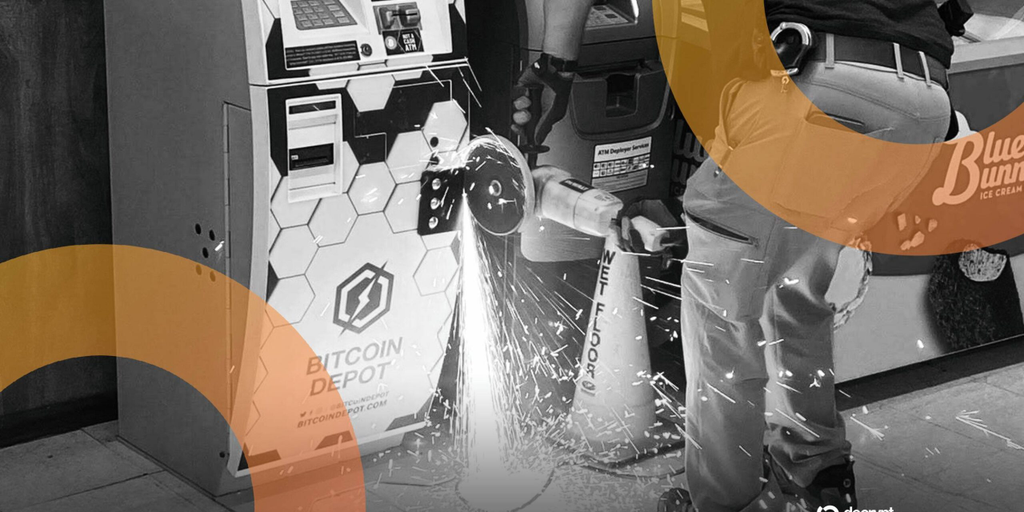
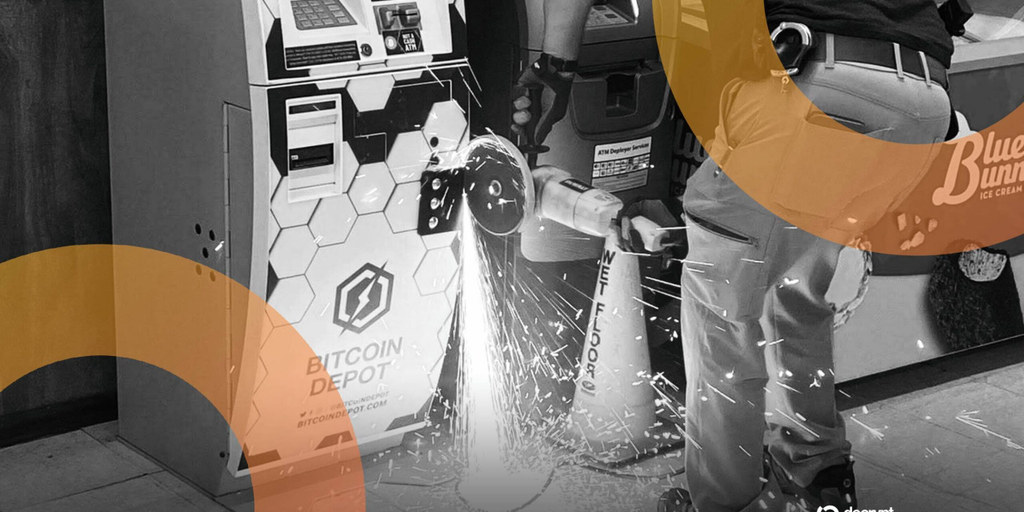
Crypto ATMs confronted heightened scrutiny in 2025, as authorities and lawmakers tried to confront a rising variety of scams facilitated by these machines in the united statesSome officers took issues into their very own arms with energy instruments, whereas two attorneys basic introduced lawsuits in opposition to a number of of the largest companies within the house. In the meantime, companies and different entities issued shopper alerts addressing the aged.Crypto ATM operators say their machines present a worthwhile service, permitting anybody to purchase digital property like Bitcoin with bodily money. Nevertheless, critics argue that these companies may do extra to stop older People from shedding funds to scams—even when that’s dangerous for enterprise.Final yr, People reported $246 million in losses from crypto ATMs to the Web Crime Criticism Heart, a 99% improve in comparison with the yr prior, based on an annual report. Round 43% of these losses stemmed from People over the age of 60.The rip-off is pretty easy: Older People are withdrawing money from their financial institution accounts, changing it into crypto utilizing operators’ machines, after which sending it to people who find themselves impersonating the federal government, a enterprise, or staff in tech assist.Nonetheless, some renditions are extra artistic than others, together with a rip-off in Massachusetts the place residents misplaced cash to folks demanding crypto funds for supposedly lacking jury responsibility.The irreversible nature of crypto transactions makes it difficult for victims to get better funds as soon as scammers disappear, whereas the nice print of consumer agreements related to these machines has emerged as one other potential barrier in courtroom.The Iowa Supreme Courtroom, for instance, present in two circumstances this yr {that a} crypto ATM operator was entitled to maintain the money related to fraud, as a result of the corporate’s phrases and companies require customers to say they personal the digital pockets receiving funds—not third-parties.“As soon as that transaction is accomplished, when the consumer inserts their money and their crypto is funded into the pockets of their selecting, that ends our involvement within the transaction,” Chris Ryan, chief authorized officer of crypto ATM operator Bitcoin Depot, informed Decrypt in June.Bitcoin Depot works with native legislation enforcement to trace victims’ crypto, however by breaking into the corporate’s machines, Ryan stated authorities are creating extra victims, leaving them with broken property and lacking money a minimum of a dozen occasions a yr.Earlier that month, Jasper County sheriffs despatched sparks flying after they minimize into certainly one of Bitcoin Depot’s kiosks at a rural gasoline station in Texas. In whole, legislation enforcement retrieved $32,000 in money, which Bitcoin Depot stated really belonged to them.‘Common sense guardrails’In Iowa, Bitcoin Depot and competitor CoinFlip have confronted strain from Lawyer Basic Brenna Fowl. In February, she filed a lawsuit in opposition to the businesses, claiming that they revenue off of rip-off victims whereas charging “large, hidden transaction charges,” based on a reality sheet.The criticism concerning hidden charges was later echoed by Washington, D.C. Lawyer Basic Brian L. Schwalb, who filed a lawsuit in opposition to crypto ATM operator Athena Bitcoin in September. In some circumstances, the federal district’s residents had been paying 26% undisclosed charges, he alleged.Schwalb’s lawsuit, which accused Athena of exploiting aged adults whereas violating shopper safety legal guidelines, argued that warnings displayed on the corporate’s machines had been irrelevant, contemplating the circumstances underneath which most victims are approached them.“Aged rip-off victims standing terror-stricken in gasoline stations, pockets filled with uncomfortable quantities of money, don't perceive what it means to ‘generate’ a cryptocurrency pockets or have their very own ‘private Bitcoin pockets,’” the lawsuit’s grievance said.An Athena spokesperson informed Decrypt that the agency strongly disagrees with the allegations and can defend itself in courtroom. Bitcoin Depot and CoinFlip denied claims in Fowl’s lawsuit, whereas highlighting procedures like ID checks and refunded transaction charges to ABC Information.This yr, Sen. Dick Durbin (D-IL) launched the Crypto ATM Fraud Prevention Act. The laws would impose strict transaction limits on crypto ATMs, whereas requiring corporations to supply full refunds to fraud victims in the event that they report losses inside a sure interval.Durbin stated the laws options “common sense guardrails” that would defend the aged, however the invoice hasn’t progressed because it was launched within the Republican-led Senate in February.Though efforts to control crypto ATMs on the federal stage have been unproductive this yr, over a dozen states drafted or handed payments or rules calling for limits on transactions, rip-off warnings, and refund choices, or new licensing necessities, based on AARP.In June, the nonprofit devoted to older People discovered that 20 states had moved to handle a rising variety of scams facilitated by crypto ATMs, noting that it's “persevering with to work with lawmakers in different states to undertake comparable protections to stop fraud utilizing crypto kiosks.”On the time, metropolis council members in Spokane, Washington, had simply handed a citywide ban on crypto ATMs, affecting round 50 kiosks situated within the native space.A few months later in August, Illinois turned the primary first state within the Midwest to move payments geared toward curbing fraud associated to crypto ATMs, requiring ATM operators to register with state regulators, cap transaction charges at 18%, and restrict each day transactions to $2,500 for brand spanking new customers.That very same month, the Treasury Division’s Monetary Crimes Enforcement Community issued an pressing warning on crypto ATMs, saying “the danger of illicit exercise is exacerbated” by operators that don’t preserve correct procedures underneath the Financial institution Secrecy Act.As of mid-November, round 30,750 crypto ATMs had been put in throughout the U.S., representing 78% of kiosks worldwide, based on Coin ATM Radar. Nonetheless, the worldwide tally of machines has hovered round 40,000 since 2022.Native governments within the U.S. have pursued restrictions on crypto kiosks, however some international locations have taken a sweeping strategy to safeguards. New Zealand, for instance, outlawed the machines throughout the nation in June, as a part of efforts to choke off felony finance.Every day Debrief NewsletterStart every single day with the highest information tales proper now, plus unique options, a podcast, movies and extra.