Cryptocurrency Prices by Coinlib
Tether Freezes ISIS-Ok TRON Wallets: Compliance Will get Actual

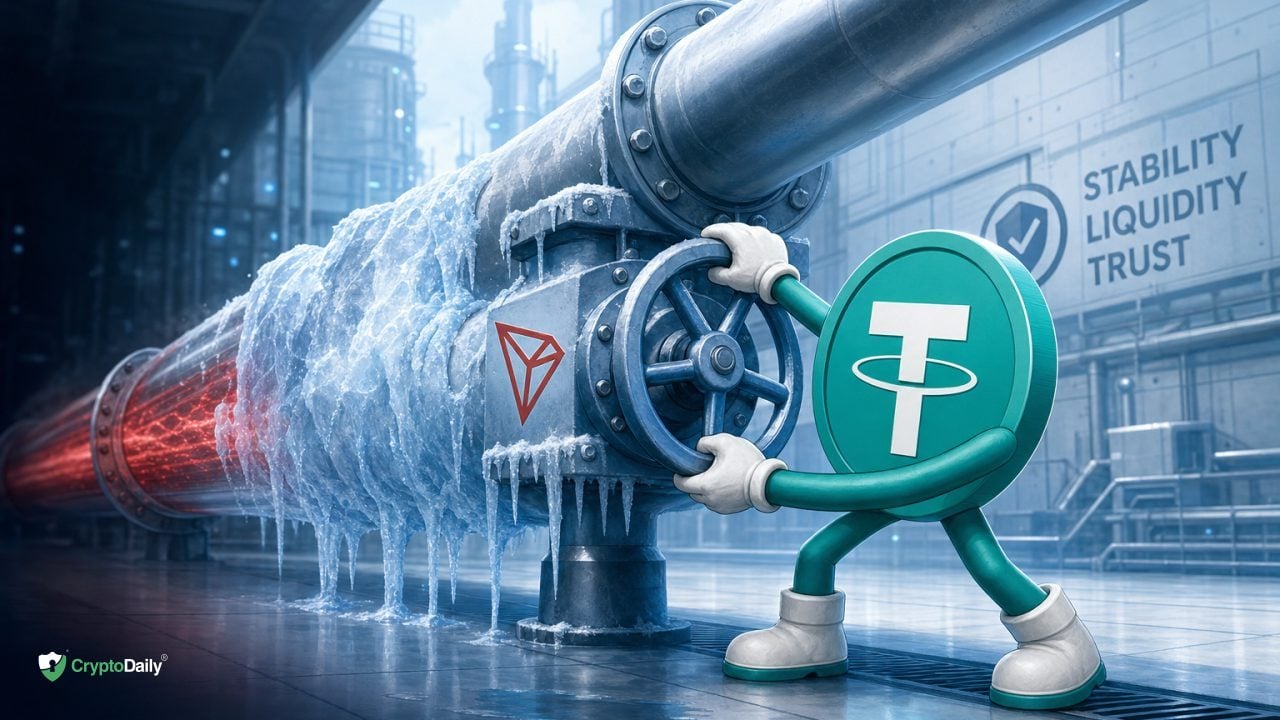
The balances went silent. Merchants watching Tron mempools noticed acquainted addresses cease shifting. Then the notes got here in: funds frozen. Not by a court docket order that takes weeks. Immediately, on the token stage.This time the goal wasn’t a backyard‑selection rip-off ring. It was wallets linked to ISIS‑Ok, and the transfer signaled one thing lots of people in crypto have downplayed: stablecoin compliance isn’t theoretical anymore. It’s right here, and it’s quick.There’s additionally a twist. The identical sanctions checklist included three Monero addresses. These can’t be frozen the identical approach, as a result of there’s no issuer swap to flip.On July 1, 2026, the U.S. Treasury’s Workplace of International Property Management (OFAC) expanded its ISIS‑Ok designation to incorporate 134 crypto identifiers: 131 TRON addresses and three Monero addresses. That motion set off a predictable, very 2026 sequence: wallets flagged, analytics corporations push alerts, and an enormous issuer acts. Tether then froze the USDT balances held in all 131 TRON addresses on the checklist, in keeping with on‑chain reporting from Chainalysis. The Monero entries, by design, stay outdoors any issuer freeze.
Stablecoins plug into each public blockchains and personal compliance rails. When sanctions hit, that off‑chain rulebook can attain into on‑chain balances in a single transaction.
Who’s affected? Not simply the designated wallets. OTC desks, exchanges, market makers, remitters, even P2P retailers who contact these addresses not directly now have screening issues, potential frozen property, and paperwork. In the event you custody or route USDT on Tron, your operations group had a busy week.What precisely did OFAC checklist on July 1?OFAC’s replace explicitly named addresses linked to ISIS‑Ok exercise. The majority have been on Tron, which immediately carries a big share of USDT flows on account of low charges and fast settlement. Three have been on Monero, which prioritizes privateness by default. The distinction issues.Right here’s the excessive‑stage snapshot.Why Tron and Monero each confirmed upTron is a well-liked rail for USDT motion, together with P2P and cross‑border funds. That cuts each methods. If illicit actors need low cost, quick transfers which can be extensively accepted, they observe liquidity. Monero is completely different. It’s a privateness coin with robust default obfuscation. You'll be able to sanction a Monero handle, however you possibly can’t name an issuer to freeze it as a result of there isn’t one. Exchanges and cost suppliers can nonetheless block deposits and withdrawals tied to these entries, however the protocol gained’t freeze cash for them.OFAC’s checklist was the set off. Compliance groups have been the vector. Issuer controls have been the lever.How Tether pulled the plug on Tron USDTIf you’ve by no means seen a stablecoin freeze up shut, it’s fairly mundane. There’s no fireworks. Only a token contract perform name that flips an handle into the do‑not‑transfer bucket.
OFAC publishes the up to date designation naming the addresses. OFAC makes the entries public.
Analytics distributors flag the addresses and push alerts to shoppers. Compliance dashboards gentle up.
Tether runs checks and provides the named TRON addresses to its blacklist, which disables USDT transfers from these wallets. Chainalysis experiences the freeze throughout all 131 TRON entries.
Exchanges, custodians, and OTC desks replace their inner blocklists, cease settlement to and from the tagged wallets, and file experiences as wanted.
What a freeze appears like on‑chainOn Tron, USDT is a token with contract‑stage admin controls. When a freeze applies to an handle, the USDT contract gained’t authorize outgoing transfers from that pockets. Balances seem, however successfully flip into non‑transferable stubs. You'll be able to nonetheless see the tokens. You simply can’t transfer them.It’s not theoretical. Chainalysis’ on‑chain evaluation confirmed the balances throughout the 131 TRON wallets have been frozen following OFAC’s replace, and that these wallets had seen greater than 1.4 million {dollars} in inflows since 2023, with over 880 thousand {dollars} despatched out over that interval. That knowledge level retains the story grounded in precise circulate sizes, not headlines. Chainalysis (weblog)Following the cash: scale and patternsLet’s maintain perspective. The numbers listed here are significant, however they’re small in comparison with world stablecoin throughput. Nonetheless, the circulate profile tells you ways illicit actors piggyback on official rails.Quantities and cadencePer Chainalysis, the designated TRON wallets collectively took in over 1.4 million {dollars} since 2023 and despatched out greater than 880 thousand {dollars} in that window. That’s not a single whale switch. It appears like a drip technique: settle for smaller quantities throughout many addresses, then redistribute or off‑ramp when potential. The freeze perform is nicely suited to this sample as a result of it could actually entice residual balances and choke future motion in a single sweep. Chainalysis (weblog)Routing and touchpointsWhen addresses go scorching on a sanctions checklist, the whole lot they contact turns into suspect touchpoints for compliance. A desk may not have direct publicity, however a counterparty two hops away might. That spills into screening guidelines, false constructive administration, and, in some areas, actual income affect if P2P flows skinny out.Freezes additionally create operational debt. Funds mid‑settlement can get caught. Help groups discipline reversal requests they will’t fulfill. In the meantime, the analytics and authorized groups are within the weeds, documenting who knew what, when.Why this issues for stablecoins, VASPs, and usersThe story isn’t simply that Tether froze some addresses. It’s that the compliance perimeter moved, once more. In the event you’re a stablecoin issuer, a pockets supplier, or a VASP, the expectations are clear: have the ability to act, and have the ability to show you acted.Issuers now sit nearer to the sanctions wireStablecoins with centralized issuers are now not simply fiat wrappers. They’re programmable compliance devices. In follow, which means quicker blacklist updates, higher public communication, and tight suggestions loops with analytics companions when governments publish new entries.Exchanges and OTC desks want sharper playbooksPlenty of operators have already got screening and Journey Rule processes. The distinction right here is latency. The interval between designation and on‑chain motion is compressing. In case your rulesets refresh each day, you is likely to be late. Hourly syncing, proactive watchlists, and kill switches for particular routes are desk stakes whenever you run a USDT guide on Tron.Finish customers will really feel it on the marginMost folks gained’t discover any change. However the P2P service provider dealing with 30 small USDT funds a day may. If a counterparty’s pockets will get flagged after a cost, they might be left with caught balances or a closed off‑ramp. That fuels demand for higher popularity indicators and cleaner handle hygiene. It additionally nudges some exercise towards custodial wallets that tackle the compliance work.Monero, censorship resistance, and the bounds of freezesThe Monero angle is easy. OFAC can designate a Monero handle. Centralized entities should comply. However there’s no central social gathering that may flip a freeze swap on the protocol. The addresses keep sanctioned, exchanges can refuse deposits, and cost processors can block them. On‑chain, although, the cash aren’t immobilized by an issuer as a result of there may be none. Information protection emphasised this hole after the freeze experiences on Tron, for good cause. Coin360 (information)Sensible takeawaySanctions are nonetheless efficient in privateness ecosystems as a result of they work by way of the off‑chain choke factors: exchanges, cost processors, and fiat ramps. However the mechanism is completely different. With stablecoins, compliance can attain into the token contract. With privateness cash, it largely gates exits and repair entry.What to look at subsequent: velocity, bridges, and policyThree threads to regulate from right here.1) Freeze velocity and scopeExpect extra emphasis on time to behave. Issuers will likely be judged not solely by whether or not they can freeze, however how shortly and comprehensively they do it throughout chains. Communications will matter too. Clear public notices cut back confusion and assist downstream platforms react.2) Bridges and cross‑chain movementDesignated wallets don’t simply sit nonetheless. If an handle can’t transfer USDT on Tron, the following play is likely to be to swap for one more token or route worth by way of a bridge. That pushes screening deeper into DEX aggregators and bridge relayers. There’s no excellent resolution. However extra tasks will add compliance hooks and pre‑commerce checks, particularly the place they have already got a company entity.3) Coverage alignment and business standardsRegulators have despatched a constant message: if there’s an admin key, use it to implement sanctions. The business response will doubtless embrace publishing public freeze logs, standardized occasion schemas for blocklists, and customary APIs for analytics distributors. That coordination makes life simpler for compliant customers, and tougher for unhealthy actors who depend on fragmentation.Dangers & What May Go Fallacious
Overreach and false positives: Dangerous knowledge or sloppy clustering can tag harmless wallets. That results in frozen funds and lengthy remediation cycles.
Jurisdictional battle: Issuers and exchanges function throughout borders. Conflicting legal guidelines can create inconceivable decisions about when and easy methods to freeze.
Liquidity fragmentation: If customers worry arbitrary freezes, some might migrate to much less clear venues or privateness instruments, growing market frictions.
Bridge leakage: Designated funds might pivot to cross‑chain routes the place screening is inconsistent, undermining the effectiveness of freezes.
Operational blowback: Mid‑settlement freezes break cost flows, harm counterparties’ money cycles, and enhance help prices.
Sensible contract threat: Admin key utilization and frequent checklist updates increase the possibility of contract misconfiguration or exploit home windows.
Compliance instruments minimize each methods. They’re highly effective towards sanctioned exercise, however the price of errors will get socialized throughout official customers who depend on these rails.
If you need a straight, no‑spin rundown when this type of story hits, Crypto Day by day tracks enforcement strikes and on‑chain responses in actual time. Our protection pulls in main releases, on‑chain analytics, and platform notices so you possibly can see what modified and what it means to your operations. Crypto DailyFrequently Requested QuestionsWhat precisely did OFAC add on July 1, 2026?OFAC up to date its ISIS‑Ok designation to incorporate 134 crypto pockets identifiers: 131 on Tron and three on Monero. These entries inform sanctions screening obligations for U.S. individuals and lots of platforms globally. U.S. Treasury / OFAC — Latest ActionsDid Tether freeze all of the flagged TRON wallets?In keeping with Chainalysis, Tether froze the USDT balances in all 131 TRON addresses that OFAC added to the ISIS‑Ok designation. The freeze prevents outgoing USDT transfers from these wallets. Chainalysis (weblog)Can Monero addresses be frozen the identical approach?No. Monero has no central issuer or admin key to immobilize cash on‑chain. Sanctions can nonetheless apply off‑chain by way of exchanges and repair suppliers, however there’s no protocol‑stage freeze. Coin360 (information)How huge have been the flows by way of the designated TRON wallets?Chainalysis experiences cumulative inflows of greater than 1.4 million {dollars} since 2023 and over 880 thousand {dollars} despatched out by these wallets in the identical interval. These quantities are modest relative to total USDT visitors, however nonetheless materials for enforcement. Chainalysis (weblog)May compliant customers get caught up by chance?Sure. Screening errors, handle reuse, and chain evaluation heuristics can generate false positives. If a platform freezes by mistake, remediation sometimes requires KYC, proof of transaction objective, and time. Maintain clear data and keep away from interacting with flagged wallets.What ought to exchanges and OTC desks do proper now?Overview the July 1 OFAC entries, affirm your blocklists embrace the 131 TRON addresses, and confirm that your compliance techniques ingest updates promptly. Tighten alerting, check your freeze or halt flows, and put together buyer communications in case funds are affected. None of that is funding recommendation; it’s primary operational hygiene.
Disclaimer: This text is supplied for informational functions solely. It isn't supplied or supposed for use as authorized, tax, funding, monetary, or different recommendation.