
Cryptocurrency Prices by Coinlib
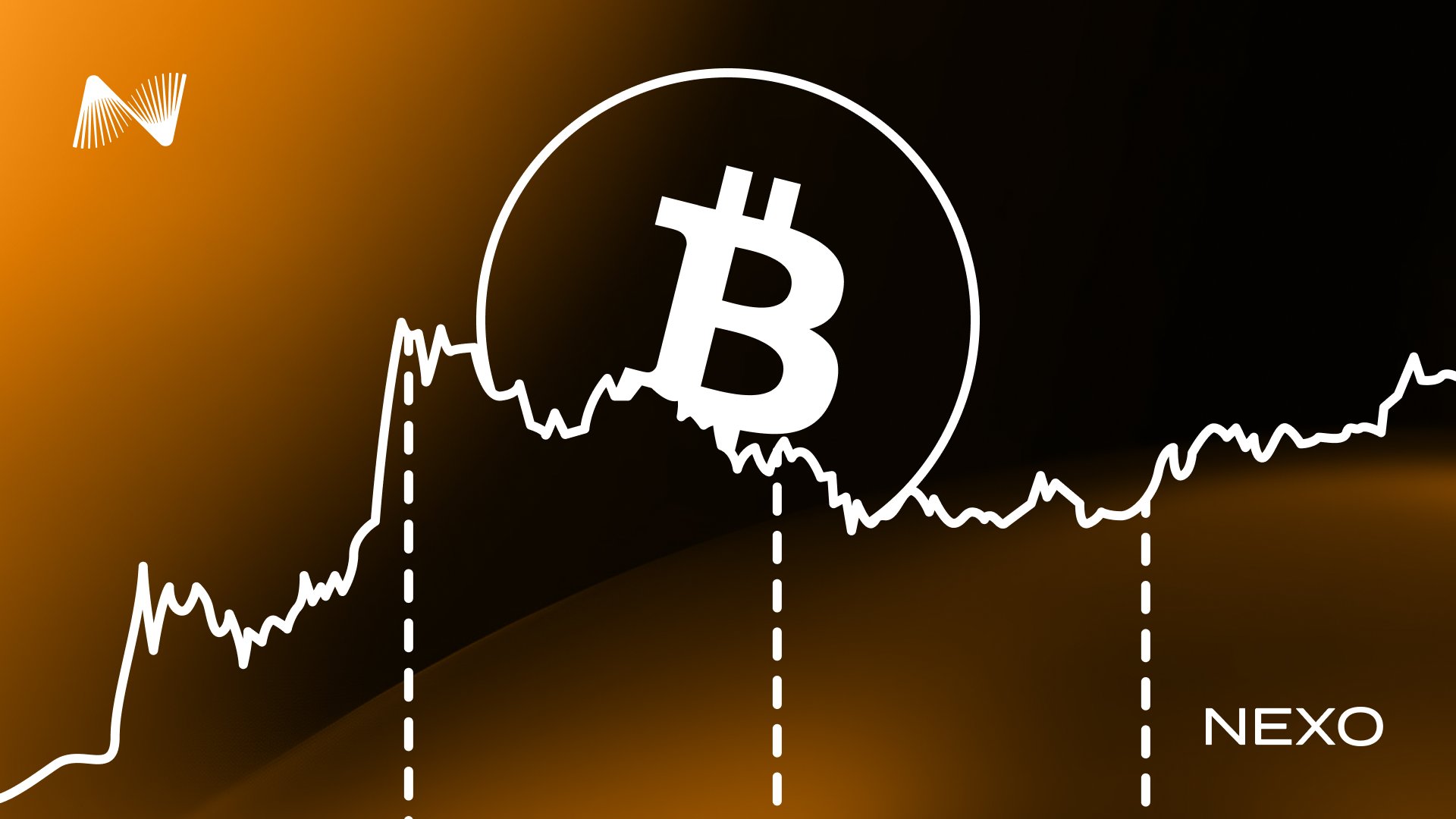
Bitcoin 4-12 months Cycle Defined: Is This Time Totally different?

For greater than a decade, Bitcoin buyers have talked about one recurring sample: the 4-year cycle.
The thought is easy. Roughly each 4 years, Bitcoin experiences a halving occasion that reduces the speed of recent provide getting into the market. Traditionally, these halvings have been adopted by sturdy bull markets and ultimately by sharp corrections.
However as we speak, the panorama appears totally different. Institutional capital has entered the area. Spot ETFs exist. Derivatives markets are deeper. Macro circumstances play a bigger position.
So the query many buyers are actually asking is:
Is the Bitcoin 4-year cycle nonetheless related — or is that this time totally different?
Let’s break it down.
What's the Bitcoin 4-year cycle?
The Bitcoin 4-year cycle refers back to the sample many analysts observe round Bitcoin’s halving occasions.
Roughly each 4 years, the block reward paid to miners is lower in half. This reduces the speed at which new Bitcoin is created, successfully slowing the brand new provide.
Traditionally, the sample has appeared like this:
Halving reduces the brand new provide
Demand stays regular or will increase
Costs rise over the next 12–18 months
A peak kinds
A multi-month or multi-year correction follows
This sample occurred round:
2012 halving → 2013 peak
2016 halving → 2017 peak
2020 halving → 2021 peak
As a result of the timing roughly aligns with four-year intervals, the idea of a “4-year cycle” turned extensively mentioned.
What drove earlier cycle peaks?
Whereas the halving is usually described because the set off, every cycle peak had totally different underlying drivers.
2013: Early adoption and the primary wave of hypothesis
The 2013 cycle was pushed largely by early adopters and retail enthusiasm. Bitcoin was nonetheless comparatively unknown, buying and selling on a restricted variety of exchanges with minimal infrastructure. Media protection accelerated as costs crossed $100 after which $1,000 for the primary time. The availability discount from the 2012 halving coincided with quickly increasing consciousness.
The rally was highly effective — however fragile. When sentiment shifted, the correction was equally dramatic, highlighting how immature the market nonetheless was at the moment.
2017: The ICO increase and retail euphoria
The 2016 halving lowered issuance once more, however the 2017 peak was fueled primarily by the explosion of preliminary coin choices (ICOs). Retail participation surged as new tokens launched virtually each day. Leverage turned extra accessible, and speculative enthusiasm dominated headlines.
Bitcoin benefited from the broader crypto mania, reaching practically $20,000 earlier than getting into a chronic bear market. The unwinding of speculative extra and elevated regulatory scrutiny marked the top of that cycle.
2021: Liquidity, stimulus, and institutional entry
The 2020 halving unfolded in a rare macro surroundings. In response to the pandemic, central banks — significantly the U.S. Federal Reserve — lower rates of interest to close zero and injected vital liquidity into monetary markets.
Stimulus checks, low borrowing prices, and powerful threat urge for food fueled demand throughout equities and crypto alike.
On the identical time, institutional adoption accelerated. Public firms added Bitcoin to steadiness sheets. Main asset managers launched crypto funding merchandise. Derivatives markets expanded considerably.
Bitcoin reached new all-time highs above $60,000 earlier than getting into a correction as inflation surged and the Federal Reserve started aggressively elevating rates of interest in 2022.
Every cycle included the halving, however macro circumstances and demand drivers differed dramatically.
Is the 4-year cycle weakening or evolving?
There are compelling causes to imagine the cycle could also be evolving moderately than disappearing.
First, macroeconomic forces now play a a lot bigger position. Bitcoin more and more reacts to:
When charges rise and liquidity tightens, threat property — together with Bitcoin — typically face strain. When charges stabilize or decline, threat urge for food can return. This macro overlay was far much less vital in earlier cycles.
Second, institutional participation could alter volatility patterns. Spot ETFs and controlled custody options permit massive swimming pools of capital to enter the market. In the meantime, deeper futures and choices markets allow hedging exercise that may each amplify and dampen value swings.
Third, data strikes sooner. On-chain information, analytics platforms, and world media create faster suggestions loops between narrative and value motion.
Due to these shifts, the standard four-year rhythm could:
What's prone to stay fixed is human habits. Worry and greed proceed to create cycles — even when their construction evolves.
The place are we within the Bitcoin cycle now?
Many buyers are asking the identical query: The place are we within the Bitcoin cycle proper now?
After a number of historic examples of boom-and-bust patterns roughly aligned with halvings, individuals attempt to map present value motion onto earlier timelines.
However cycles are often solely apparent in hindsight.
In actual time, markets not often transfer in clear, predictable patterns. Institutional flows, ETF demand, macroeconomic shifts, and derivatives positioning all affect value actions alongside provide dynamics.
Quite than relying strictly on a calendar-based mannequin, some buyers have a look at broader indicators:
Is liquidity increasing or tightening?
Are rates of interest rising or stabilizing?
Is retail participation accelerating?
Is leverage elevated in derivatives markets?
These components could provide extra sensible perception than assuming historical past will repeat precisely.
What this implies for buyers
Totally different market environments are likely to favor totally different approaches.
Lengthy-term holders who plan to trip via a number of cycles typically give attention to accumulation and endurance. Some select to earn curiosity on their crypto whereas holding, particularly throughout quieter phases of the market.
Others preferring to not promote throughout drawdowns could discover borrowing towards their Bitcoin as an alternative of liquidating at decrease costs.
Extra lively merchants generally use derivatives markets to hedge publicity or commerce short-term value actions.
The cycle framework can present perspective — however technique in the end is determined by time horizon, threat tolerance, and private targets.
Markets change. Instruments evolve. Self-discipline issues greater than predictions.
Regularly requested questions
What's the Bitcoin 4-year cycle?
It refers back to the historic sample of value actions round Bitcoin’s halving occasions, which happen roughly each 4 years and cut back new provide issuance.
The place are we within the Bitcoin cycle proper now?
There is no such thing as a definitive real-time reply. Traders typically contemplate macro circumstances, liquidity, and market sentiment moderately than relying solely on halving timelines.
When will Bitcoin peak this cycle?
Nobody can reliably predict precise market peaks. Earlier cycles recommend peaks have occurred 12–18 months after halvings, however outcomes differ relying on broader financial circumstances.
What's the Pi Cycle High indicator?
The Pi Cycle High indicator is a technical mannequin that makes use of transferring averages to aim to determine cycle peaks. Like all indicators, it's primarily based on historic patterns and doesn't assure future outcomes.
Is that this Bitcoin cycle totally different from earlier ones?
It could be evolving attributable to institutional participation, macroeconomic affect, and extra mature derivatives markets. Nonetheless, provide dynamics and investor psychology proceed to affect value habits.
These supplies are accessible globally, and the provision of this data doesn't represent entry to the providers described, which providers will not be obtainable in sure jurisdictions. These supplies are for basic data functions solely and never supposed as monetary, authorized, tax, or funding recommendation, provide, solicitation, advice, or endorsement to make use of any of the Nexo Providers and will not be personalised, or in any approach tailor-made to replicate specific funding goals, monetary scenario or wants. Digital property are topic to a excessive diploma of threat, together with however not restricted to risky market value dynamics, regulatory adjustments, and technological developments. The previous efficiency of digital property just isn't a dependable indicator of future outcomes. Digital property will not be cash or authorized tender, will not be backed by the federal government or by a central financial institution, and most shouldn't have any underlying property, income stream, or different supply of worth. Impartial judgment primarily based on private circumstances ought to be exercised, and session with a professional skilled is beneficial earlier than making any choice.